How to Lower Blood Pressure Naturally in Kenya
Reviewed by Dr. Naomi Achieng, Clinical Nutritionist, KNDI-registered ·
Updated 20 June 2026
To lower your blood pressure naturally, the five changes that move the numbers most are cutting salt, eating more potassium-rich greens like sukuma wiki and terere, losing a little belly weight, walking about 150 minutes a week, and drinking less alcohol. None of these need a chemist. Done together, they can ease the top reading by 10 points or more within a few weeks. This guide walks through each one for everyday Kenyan life, gives you a potassium food list, a sample day of meals, the right way to measure at home, a 30-day starter plan, and an honest note on where a supplement fits in.
This is a guide first. Work through the steps, measure as you go, and keep taking any tablets your doctor has prescribed.
Quick Verdict: What Moves the Needle Most
If you do nothing else, do these five. The figures are the rough drop in the top reading you can expect from each, drawn from clinical research. They stack, so two or three together add up fast.
The single biggest lever for most Kenyan adults is salt, because our processed foods and stock cubes carry so much of it. Start there, then layer the rest on over the coming weeks.
What Your Blood Pressure Numbers Mean
Your reading has two numbers, like 130/85. The top number (systolic) is the push when your heart beats. The bottom (diastolic) is the pressure while it rests between beats. Both matter, and a high reading in either one counts against you.
| Reading | What it is called | What to do |
|---|---|---|
| Below 120/80 | Normal | Keep your habits. Check once or twice a year. |
| 120–129 / under 80 | Elevated | Tighten the salt and start walking now, before it climbs. |
| 130/85 | Borderline (stage 1) | Act on every step in this guide and track at home. |
| 140/90 and up | High (stage 2) | See a doctor. Lifestyle plus medication is often needed. |
| 180/120 and up | Crisis | Get urgent care, especially with headache or chest pain. |
High pressure does its damage quietly, with no symptoms for years, which is why it earned the name the silent killer. The numbers are your only early warning, so the habit of measuring is as important as any single food on this page.
The 8 Steps, One by One
Each step has a short reason it works and a practical way to do it where you live. Start with the first two; they shift the numbers fastest.
Cut the salt and break the stock-cube habit
Why it works: Sodium pulls water into your blood, and more fluid means higher pressure. For most Kenyan adults this is the single biggest lever. Trimming sodium can take 5–6 points off the top reading on its own.
How to do it: Go easy on the salt in your stew and ugali, but the bigger fight is hidden salt. The worst offenders here are Royco and Mchuzi Mix, stock cubes, crisps, sausages and smokies, salted groundnuts, blue-band toast, and a daily soda. A single stock cube can carry close to a full day of sodium. Season with onions, garlic, dhania, ginger and a squeeze of lemon instead. Read the label on packaged food, where sodium is printed in grams, and aim to stay under about 5 grams of salt a day, which is one level teaspoon for everything you eat.
Crowd the plate with potassium greens
Why it works: Potassium balances sodium and helps your kidneys flush the extra salt. Most plates here run short on it, so adding it back is one of the quickest wins after cutting salt.
How to do it: Fill half your plate with sukuma wiki, terere, managu or kunde at lunch and supper. Through the week add a banana, half an avocado, a cup of beans or ndengu, sweet potato and tomatoes. These cost little at the soko and do real work. If your doctor has told you to watch potassium because of a kidney problem, follow that advice first; for everyone else, more greens is the direction to go.

Move your body every day
Why it works: Around 150 minutes of brisk walking a week can lower the top reading by 4–8 points. Movement keeps the vessels supple and helps the weight come down at the same time.
How to do it: You do not need a gym. Walk to the stage instead of taking the boda for one leg. Get off the matatu a stop early. Do a brisk loop of the estate after supper, or use market day to walk more and carry your own shopping. Aim for about 30 minutes on five days, fast enough that you can still talk but not sing. Build up pole pole if you are starting cold.
Lose a little weight around the middle
Why it works: Belly fat makes the heart push harder. You lose roughly 1 mmHg for every kilo you shed, so even 5 kilos off can move your readings in a way you can see on the cuff.
How to do it: Watch your waist, not just the scale: a man above 90 cm or a woman above 80 cm is carrying risk. The fastest single win is a smaller ugali portion, one fist-sized serving instead of two. Swap one sugary soda or sweetened chai a day for water or plain chai. Pair the smaller plate with the daily walk and the weight comes down steadily, no crash diet needed.

Pull back on alcohol and quit tobacco
Why it works: Heavy drinking raises pressure directly and packs on belly weight. Every cigarette spikes your reading for minutes after, and the years of damage stiffen the vessels for good.
How to do it: The weekend pattern is where it adds up: nyama choma with three or four beers, week after week, holds your pressure high. Keep it to one or two drinks on the days you do drink, and put dry days between. If you smoke, stopping is the most powerful thing you can do for your heart and lungs, and the benefit starts within days. Ask a clinic about support if quitting alone has not worked.

Tame the stress and protect your sleep
Why it works: A long matatu commute, work pressure and money worries keep stress hormones up, and short sleep keeps pressure high overnight. People who sleep under six hours tend to run higher readings.
How to do it: Aim for 7 hours or more where you can. Wind down without the phone for the last half hour before bed. When traffic or bills get to you, try a few minutes of slow breathing: in for four counts, out for six, until your shoulders drop. Treat sleep as part of the treatment, because a tired body clings to higher numbers.

Drink water, watch the caffeine and energy drinks
Why it works: Staying hydrated helps the kidneys do their salt-clearing job. Too much caffeine, on the other hand, can give some people a short, sharp pressure spike, and energy drinks stack caffeine with sugar.
How to do it: Make water your default drink through the day. A cup or two of chai or coffee is fine for most people; notice whether a strong dose leaves you wired or thumping, and ease off if it does. Treat energy drinks like Monster or Red Bull as an occasional thing, not a daily habit, since they pile caffeine and sugar together. If you are already managing high pressure, that combination is one to keep small.

Use herbs and botanicals, with eyes open on the dose
Why it works: Several plants nudge pressure down. Hibiscus, the dawa ya moyo many Kenyans drink, has a gentle lowering effect in clinical research, mainly through its anthocyanins. Garlic, moringa, olive leaf and hawthorn each support healthy circulation in their own way.
How to do it: Steep a cup or two of hibiscus a day, cook with raw garlic, add moringa to your food. The honest catch with loose tea and home remedies is the dose: every brew is a different strength, so you never quite know how much active you are getting that day. They help, but they are hard to measure, which is the gap a standardised supplement is built to close (more on that below).
You do not have to do all eight at once. Pick two this week, measure for ten days, then add the next two.
A Kenyan Potassium Food List
Potassium is the mineral that counters sodium. It tells your kidneys to let go of extra salt and water, which eases the pressure on your vessels. The good news is that the cheapest food at the soko is also the richest. Build your plate around this list.
| Food | A useful serving | Why it earns a place |
|---|---|---|
| Sukuma wiki (collard greens) | one cooked plateful | cheapest potassium at the soko; eat it most days |
| Terere / amaranth (mchicha) | one cooked plateful | higher in potassium and iron than spinach |
| Managu (African nightshade) | one cooked plateful | a traditional green worth bringing back to the plate |
| Kunde (cowpea leaves) | one cooked plateful | potassium plus protein from the leaves |
| Spinach | one cooked plateful | easy to find, mild taste, good for fussy eaters |
| Avocado | half a medium fruit | one of the richest potassium foods we grow |
| Banana | one medium | the famous one; handy but not the only option |
| Beans, ndengu, njahi | one cupful cooked | potassium, fibre and protein in one pot |
| Sweet potato (ngwaci) | one medium | a calmer staple than refined ugali or rice |
| Pumpkin (malenge) | one cupful cooked | flesh and leaves both count; cheap in season |
| Tomatoes | two medium | potassium in every stew you already cook |
| Coconut water (madafu) | one fresh coconut | natural potassium drink at the Coast; skip the sugary packs |
Eat a green at lunch and supper, a fruit most days, and beans or lentils a few times a week, and you are well covered. The one exception: if a doctor has told you to limit potassium because of a kidney problem, follow that advice first.
The DASH Plate, in a Kenyan Kitchen
DASH is the eating pattern doctors recommend for pressure: more vegetables, fruit and whole grains, less red meat, salt and sugar. You do not need imported food to follow it. Here is what it looks like with ingredients from your own duka.
Eat more of
Sukuma wiki, terere, managu, kunde, spinach. Tomatoes, avocado, banana. Beans, ndengu, njahi. Whole grains: brown ugali, githeri, sweet potato, arrow roots.
Keep small
Red meat and goat, fried foods, white refined ugali and rice. A little is fine; just shrink the portion and the frequency.
Cut right back
Stock cubes and Royco, crisps and salted snacks, sausages and smokies, soda and sugary juice, white bread with blue band.
A sample day on the plate
Breakfast: Brown ugali porridge or sweet potato with plain chai, no sugar or a half spoon. A banana on the side. Skip the blue-band-and-white-bread routine.
Lunch: Githeri with plenty of greens, or beans with a fist-sized serving of brown ugali. Season with onion, garlic, dhania and tomato instead of a stock cube.
Supper: A big plate of sukuma wiki or terere, a cup of ndengu, and a small portion of fish or chicken rather than fried red meat. Half an avocado if you have one.
Snacks: Fruit, unsalted groundnuts, or a cup of hibiscus tea instead of crisps and soda.
Measure It Properly at Home
You cannot manage what you do not measure, and one clinic reading a year tells you almost nothing about your real pattern. A home monitor is the tool that turns this guide into proof.
What to buy
Get an upper-arm automatic cuff, not a wrist one, because the arm gives steadier numbers. A reliable machine runs roughly KSh 2,000 to 4,000 on Jumia or at Naivas, supermarkets and pharmacies. Check the cuff fits your arm and that the brand is one your pharmacist recognises.
How to take a reading
Rest five minutes first. Sit with your back supported and feet flat, arm on a table at heart level. No chai, coffee or cigarette for thirty minutes before, and do not talk during. Take two readings a minute apart, morning and evening, and note both.
Keep a simple log in a notebook or your phone: date, morning and evening readings, and anything notable like a salty meal or a hard week. One high number is not a diagnosis. The trend over a week or two is what tells the story, and it is what your doctor will want to see. Watching the numbers drop is also the thing that keeps the new habits going. For a fuller routine, see how to take Incasol day to day.
Where a Supplement Like Incasol Fits
The lifestyle steps above are the foundation. A supplement is support on top of them, useful for one honest reason.
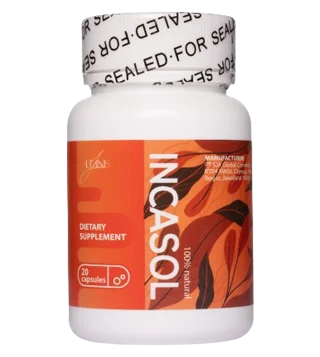
Step 8 named the problem with loose hibiscus tea and home remedies: they help, but every brew is a different strength, so you never know your dose. This is the gap a supplement closes. Incasol concentrates the same kind of botanicals, hibiscus, garlic, moringa, olive leaf, hawthorn and vitamin C, into measured, standardised doses in just 2 capsules a day. You get a consistent amount each time instead of guessing from a teapot.
Used honestly, it is one tool among several, not a shortcut. It works best alongside less salt, more potassium, a daily walk and whatever your doctor has prescribed, and it does not replace any of that. A bottle of 20 capsules is currently KSh 6,600 (down from KSh 13,200), with pay on delivery anywhere in the 47 counties. For the detail, read the Incasol benefits or check whether Incasol is safe for you.
Genuine Incasol ships only from the official site. 14-day money-back guarantee.
How Soon You’ll See It on the Cuff
Natural changes work on different timelines. Knowing what to expect keeps you from quitting too early.
Days 1–14
Cutting salt and alcohol shows up first. Many people see their morning reading ease by several points and feel a lighter head.
Weeks 3–6
The potassium greens, the daily walk and steadier sleep start to hold the numbers down. This is where a consistent routine pays off.
Months 1–3
Weight loss and fitness show their full effect. By now your home cuff should tell a clear story you can take to your doctor.
A Simple 30-Day Starter Plan
Doing everything at once is how people burn out by week two. Add one or two habits a week instead, measure as you go, and let small wins carry you forward.
Week 1: Measure and cut salt
Buy the home cuff and take your baseline, morning and evening. Drop the stock cubes and the daily soda, and season with onion, garlic and dhania instead.
Week 2: Build the plate
Put a green at lunch and supper, shrink the ugali to one fist, and add a fruit most days. Keep measuring; you should see the first movement.
Week 3: Get moving
Start the daily walk, around 30 minutes on five days. Cap alcohol at one or two on drinking days, with dry days between. Protect your 7 hours of sleep.
Week 4: Lock it in
Keep the habits steady and review your log. Compare week four against week one. Take the numbers to your doctor and decide the next step together.
Natural steps lower risk for many people, but they are not always enough on their own. Take it seriously if your readings stay at or above 140/90, if stroke or heart disease runs in your family, or if you already have other conditions. In those cases medication is not a failure; it is sensible, and it works best with everything in this guide running alongside it. To see how Kenyans paired these habits with daily support, read the Incasol reviews.
Frequently Asked Questions
What is the fastest way to lower blood pressure naturally?
Cutting salt and alcohol moves the numbers fastest, often within one to two weeks. Trimming sodium from Royco, stock cubes, crisps and sausages can take 5–6 points off the top reading, and easing off weekend beers adds a few more. Pair that with more potassium greens, a daily walk and a smaller ugali portion, and the changes stack. Track morning and evening on a home cuff so you can see it working.
Which foods lower blood pressure in Kenya?
The best local choices are potassium-rich greens and staples: sukuma wiki, terere, managu and kunde, plus banana, avocado, beans, ndengu, sweet potato, pumpkin, tomatoes and madafu (coconut water). Potassium balances the sodium in your diet and helps your kidneys clear it. At the same time, cut the salt and the hidden sodium in Royco, stock cubes, crisps and sausages, which is what pushes most readings up in the first place.
How much does a home blood pressure monitor cost in Kenya?
A decent home BP monitor costs roughly KSh 2,000 to 4,000 on Jumia or at Naivas and other supermarkets. Choose an upper-arm cuff rather than a wrist one, because upper-arm machines give steadier readings. Measure morning and evening, sit quietly for five minutes first with your arm at heart level, and write the numbers down so you see your real pattern instead of one clinic reading a year.
What do the two blood pressure numbers mean?
The top number (systolic) is the push when your heart beats; the bottom (diastolic) is the pressure when it rests between beats. Below 120/80 is normal. 120–129 over under 80 is elevated. 130/85 is borderline and worth acting on. From 140/90 upward is high blood pressure that usually needs lifestyle changes and often medication. Both numbers matter, and a high reading in either one counts.
How fast can lifestyle changes lower blood pressure?
Some changes work within days. Cutting salt and alcohol can ease your readings inside one to two weeks. The potassium greens, daily walking and steadier sleep show up over three to six weeks. Weight loss and fitness reach their full effect over one to three months. The key is consistency: track your numbers morning and evening on a home cuff, and you will see whether the changes are working for you specifically.
Can hibiscus tea lower blood pressure?
Yes, to a modest degree. Hibiscus, the dawa ya moyo many Kenyans drink, has shown a gentle blood-pressure-lowering effect in clinical research, mainly through its anthocyanins. One or two cups a day can help as part of the wider plan. The honest catch with loose tea is the dose: every brew is a different strength, so you never know exactly how much active you are getting from one cup to the next.
Does drinking water lower blood pressure?
Staying hydrated helps your kidneys clear sodium, which supports healthy pressure, so plain water is the right default drink through the day. Water is not a cure on its own, though. It works best when you swap it in for sugary sodas and sweetened chai, which add weight and push readings up. If you are sweating through a hot day in Mombasa or on the shamba, drinking enough matters even more.
How do I measure my blood pressure correctly at home?
Sit with your back supported and feet flat, and rest quietly for five minutes first. Rest your arm on a table so the cuff sits level with your heart. Do not talk, and avoid chai, coffee or a cigarette in the half hour before. Take two readings a minute apart, morning and evening, and write both down. One high reading is not a diagnosis; the pattern over a week or two is what tells the real story.
When is high blood pressure dangerous enough to see a doctor?
See a doctor soon if your home readings sit at or above 140/90 across several days, and seek urgent care if you hit 180/120 or get a bad headache, chest pain, blurred vision or shortness of breath. Take it seriously if heart disease or stroke runs in your family. Natural steps lower risk for many people, but they are not always enough on their own, and high pressure does its damage quietly.
Do I still need my doctor if I lower my pressure naturally?
Yes. If your doctor has put you on BP tablets, keep taking them and never stop on your own, even when your home readings improve. Lifestyle changes and herbal support work alongside that treatment, not instead of it. Bring your home readings to your next appointment so your doctor can see the trend and adjust anything safely.
Where does a supplement like Incasol fit into a natural plan?
Incasol is daily support that sits on top of the lifestyle steps, not a replacement for them. It concentrates botanicals such as hibiscus, garlic, moringa, olive leaf, hawthorn and vitamin C into measured, standardised doses in 2 capsules a day, which fixes the guesswork of loose hibiscus tea. Use it together with less salt, more potassium, a daily walk and your doctor’s advice. A bottle of 20 capsules is KSh 6,600, pay on delivery.
Want measured botanical support to sit on top of these habits? Incasol is KSh 6,600 (was KSh 13,200), pay on delivery, with a 14-day money-back guarantee.